Alakazam The Great
I was on Netflix years ago, looking for something to watch, and I came across Alakazam the Great. (This movie is no longer on Netflix; apparently, it's on Prime now.) It was clearly animated in Japanese style, and was dated 1960. So of course, I had to watch it.
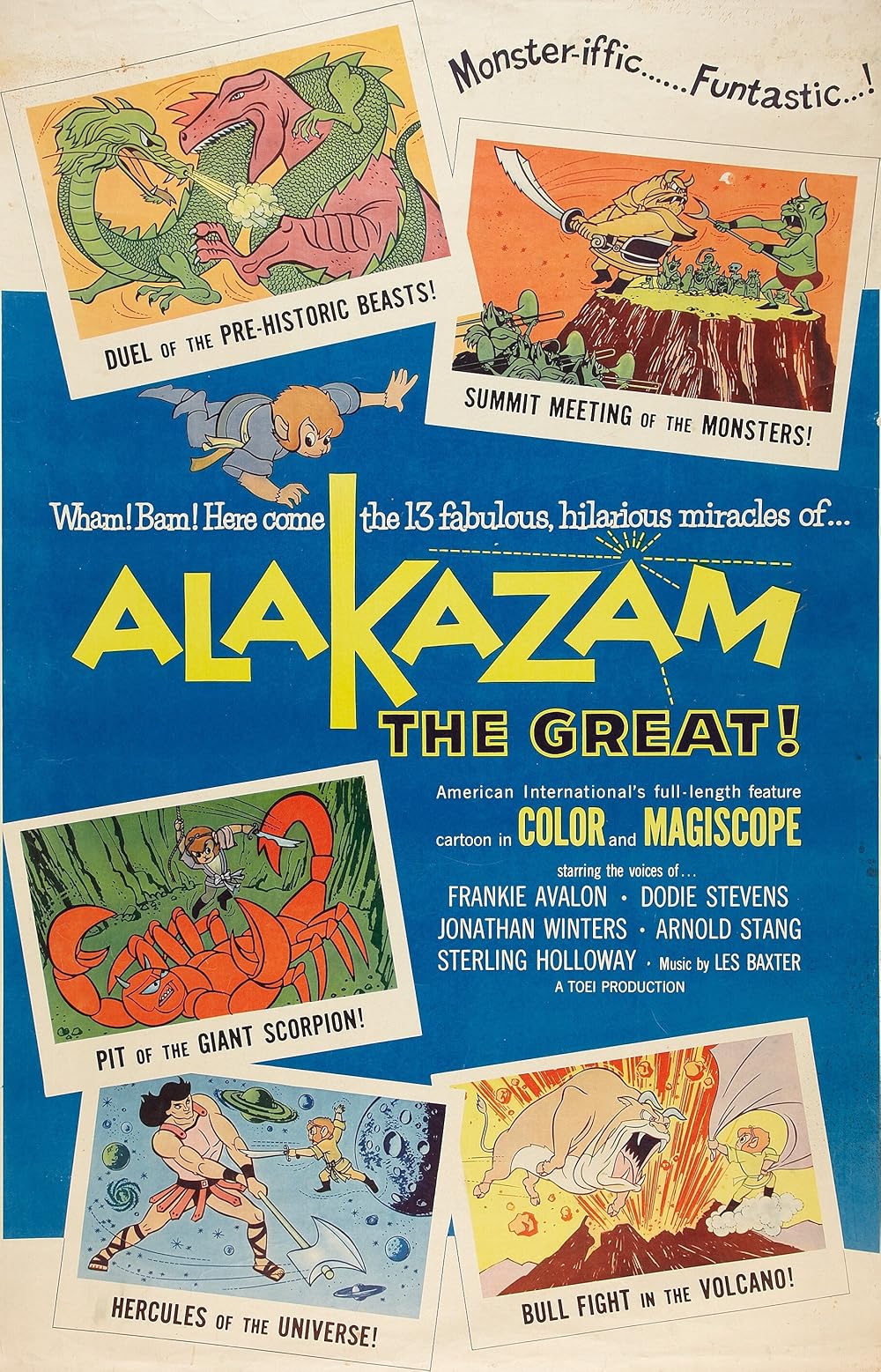
Friends, if you were disappointed by how much censorship and Americanization of anime there was in the 1990s, it has nothing on Alakazam the Great. This is partly because the Hayes Code was still in effect, and partly because of good old-fashioned racism. Let me explain.
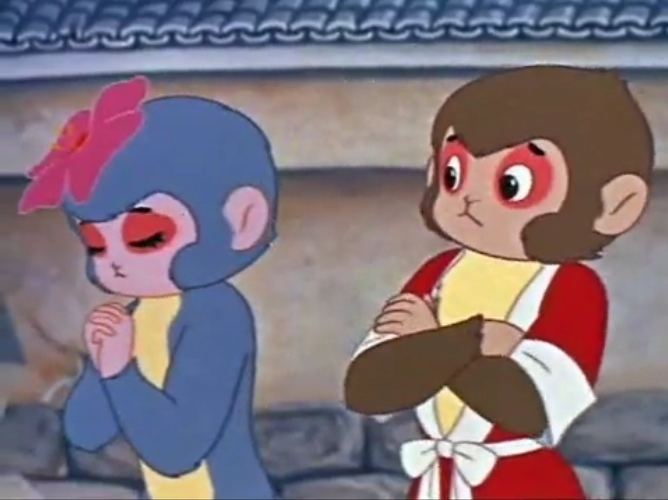
Alakazam the Great, in its original Japanese, was known as Saiyuki and was a retelling of Journey to the West. Yes, that Journey to the West. One of the best-known and best-loved folktales in eastern Asia, Journey to the West tells the story of a mischievous monkey king named Sun Wukong who is punished for one of his many misdeeds by helping a Buddhist monk named Tang Sanzang journey west into India in order to retrieve the original version of the Buddha’s teachings. Along the way, they reform other troublemakers who then help them out, and there are lots of silly antics from Sun Wukong the whole time. The YouTube channel Overly Sarcastic Productions has a whole long series on Journey to the West here, and I highly recommend it if you want to know more.
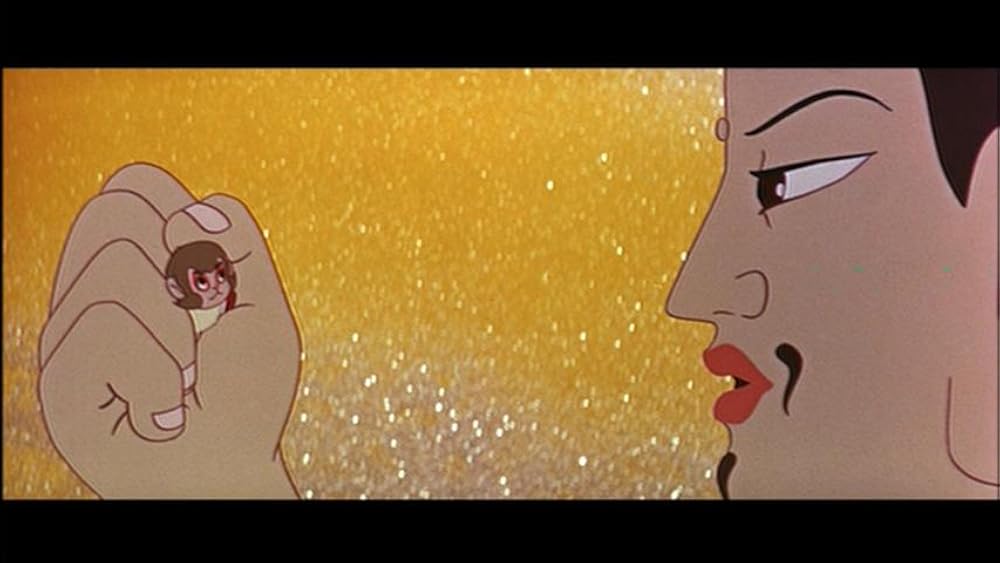
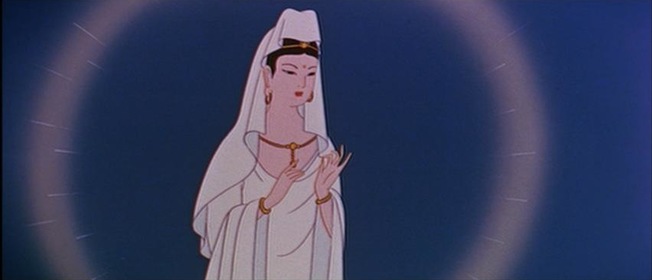
To comply with the Hayes Code, Alakazam the Great does its very best to excise any and all references to Eastern religions from Journey to the West, which, as you can imagine, leaves very little substance. The gods telling Sun Wukong to journey westward are now simply “wise men.” Tang Sanzang? Is now a prince named Amat. Sun Wukong himself is renamed to Alakazam, because apparently kids can’t pronounce any fancy Chinese names, or even the Japanese version, “Son Goku.” I want to say that the peaches of immortality are rewritten as fruit from the Tree of Knowledge, but it’s been a long time and I can’t remember.
Combine this massacre of the story with the general American unfamiliarity with the source material at the time, and you can understand why Alakazam the Great absolutely bombed in theaters in its initial release. Even Frankie Avalon, who provided Alakazam’s singing voice, could not save this movie. It’s certainly possible that Alakazam the Great was one of the reasons that Japanese anime didn't get a lot of American translations and localizations until the 90s.
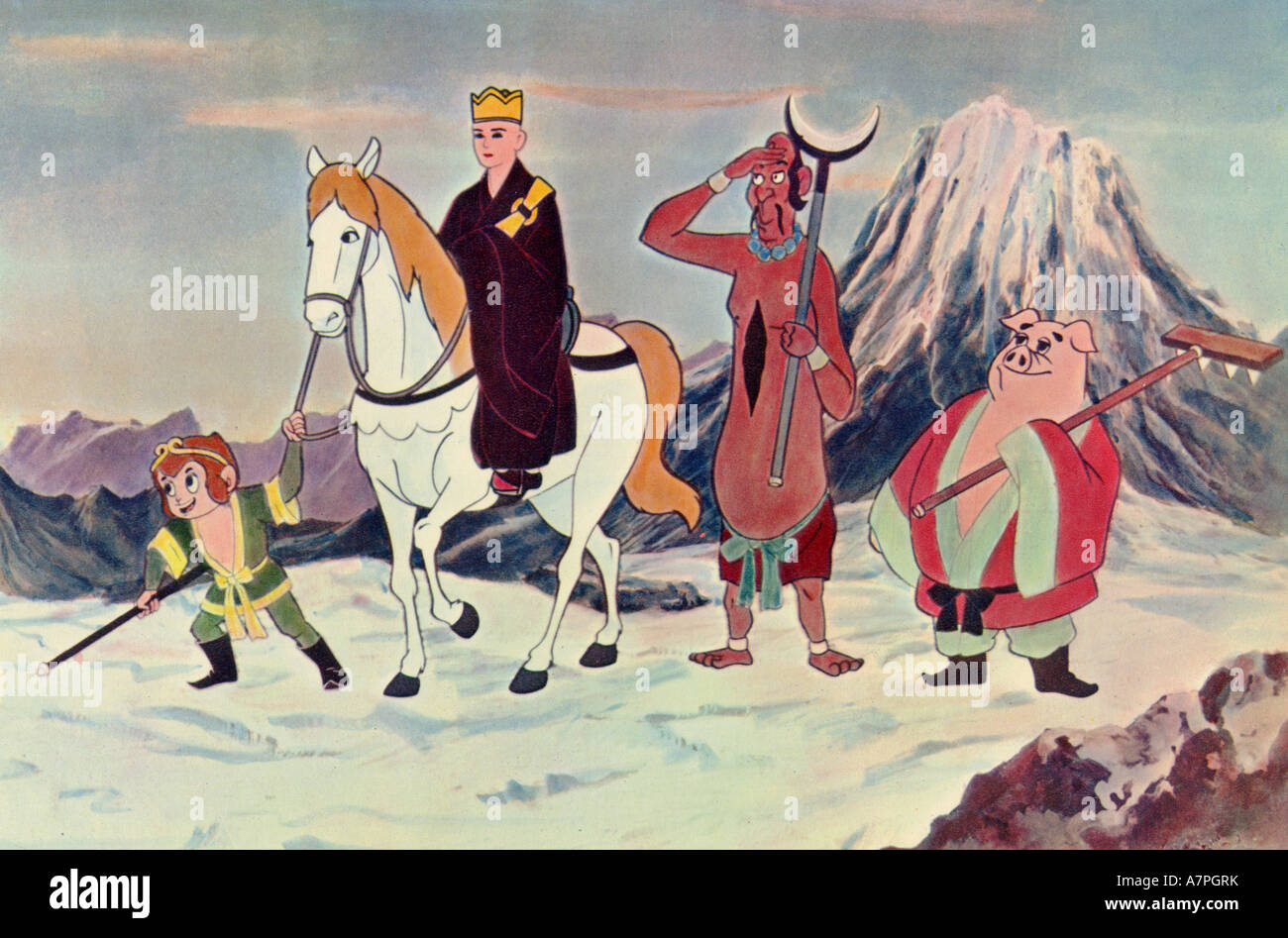
Despite all of this, Alakazam the Great is an interesting look at US translation practices in the '60s and a part of film history. It's just...not a very good one. 5/10 for effort, and because the Japanese version appears to have been a genuinely good kids' movie.